


Taya Hailstone has been in remission from childhood Hodgkin lymphoma for 5 years. However the most cancers’s lasting injury to her organs and nerves could make fundamental duties, like loading a dishwasher, onerous.
Nonetheless, Montana’s well being division determined final 12 months that Hailstone is now not eligible for low-cost incapacity well being protection by way of Medicaid. The division switched her protection to the state’s Kids’s Well being Insurance coverage Program, one other Medicaid program — three months earlier than she aged out.
Earlier than making the choice, the state didn’t search information from the medical workforce treating Hailstone, in keeping with letters from these medical doctors reviewed by KFF Well being Information. Fairly, the executive ruling got here after state officers discovered the now-19-year-old had stopped receiving Social Safety incapacity funds. She stated she did that as a result of she hoped to get wholesome sufficient to work and avoid wasting cash — past what’s allowed underneath the strict earnings caps tethered to these funds. However her well being modifications each day, and she or he stated for now she’s nonetheless too sick to constantly work.
Hailstone, who lives together with her mother, has been in a position to hold Medicaid protection whereas they attraction the case. She stated that with out Medicaid she will be able to’t afford the remedy to handle the aftermath of her most cancers.
“It appears like this course of was made to make you quit,” Hailstone stated.
Sufferers with disabilities have lengthy struggled with administrative hoops, blunders, and confusion when making an attempt to qualify for federally sponsored well being protection due to their sickness. Now, new federal Medicaid work necessities imply states face the extra activity of deciding who qualifies for a medical exemption. Which means reviewing medical instances for an excellent bigger swath of Medicaid enrollees.
Attorneys, researchers, and advocates who concentrate on public assist stated incapacity instances like Hailstone’s — although separate from the incoming work necessities — are a sign that states aren’t prepared. In consequence, they stated, extra folks will likely be denied protection in an opaque course of.
“This would be the story of hundreds of thousands of individuals,” stated Anthony Wright, who heads Households USA, a nationwide nonprofit that advocates for methods to make healthcare extra accessible.
Jon Ebelt, a spokesperson with the Montana Division of Public Well being and Human Providers, stated the state doesn’t touch upon particular person Medicaid instances.
An estimated 18.5 million folks should meet the brand new guidelines requiring them to show they’re working, going to highschool, or volunteering to maintain their Medicaid protection, in keeping with the Congressional Price range Workplace. Greater than 40% of these enrollees stay with a persistent well being situation, in keeping with KFF. Some will likely be excused from these guidelines if they will show they’re too sick to work.
Greater than 5 million persons are anticipated to lose Medicaid protection by 2034 due to the work necessities, in keeping with the CBO.

Work Necessities Turn into Legislation
Many Republican policymakers and the Trump administration have touted Medicaid work necessities to protect protection for the neediest. Congress made that nationwide coverage by way of final 12 months’s One Large Stunning Invoice Act and gave states till January 2027 to implement work-for-coverage guidelines.
Some states are beginning these checks early. Montana started in July. Nebraska initiated work necessities in Might.
Within the federal legislation creating the work necessities, Congress allowed states to exempt individuals who have an sickness that qualifies them as “medically frail.” Many states created plans for these judgment calls, solely to be shocked when federal officers launched guidelines for the necessities that went past what Congress outlined, by additionally requiring enrollees to show their sickness makes it too onerous to work.
Households USA and different organizations have argued the brand new guidelines pressure states to arrange a patchwork of methods that, collectively, can be bigger and extra sophisticated than the Social Safety Administration’s personal incapacity assessment system. Final 12 months, that federal program price greater than $5 billion to manage to roughly 7 million folks nationally. For comparability, Wright stated, the federal legislation supplied $200 million for states to share as they implement the work necessities. States are paying contractors hundreds of thousands of {dollars} to arrange typically already flawed public assist methods to satisfy the brand new requirements.
In June, 25 states sued the Trump administration over the medical frailty guidelines, arguing they’re too onerous for sufferers to satisfy and for states to evaluate. That case is ongoing.
Hailstone was recognized with blood most cancers at age 10. Her intestines tore, which led to their partial elimination. In consequence, her physique struggles to course of meals and she will be able to face extreme dehydration. She stated lingering unwanted effects from her most cancers remedy can go away her thoughts foggy and trigger her palms and ft to swell sufficient that it’s onerous to grip a fork or stroll throughout a room.
Most cancers dominated practically half her life. It left psychological scars, too.
“Some days you’re feeling tremendous and then you definitely out of the blue crash,” Hailstone stated.
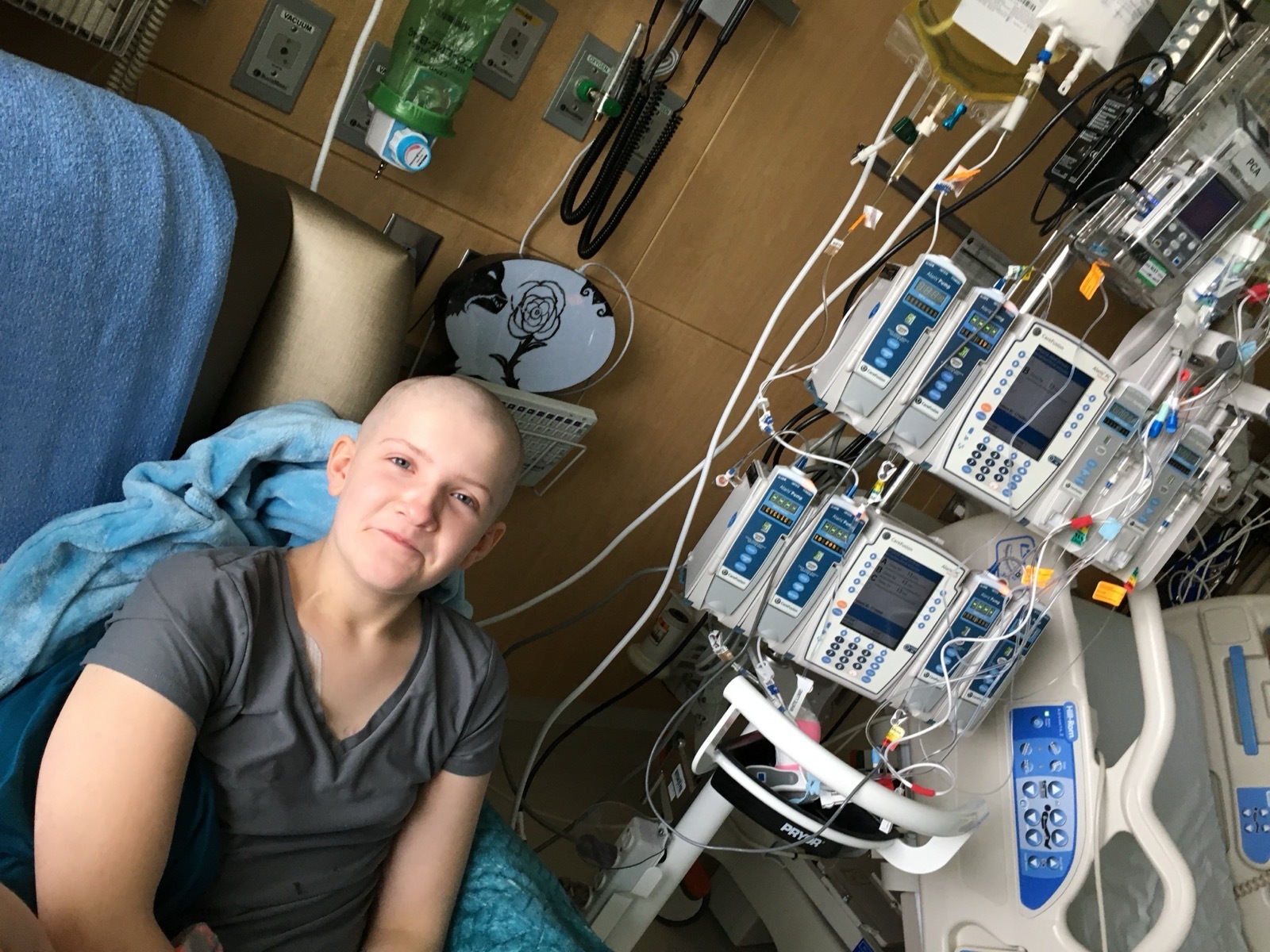
Hailstone and her mother stay in Roundup, a central Montana city of roughly 2,000 folks. They recurrently make the practically two-hour round-trip drive to Billings for specialised care. She usually has three medical appointments per week to see her bodily and occupational therapists and a psychological well being counselor.
Hailstone stated she’s fortunate she has her mom’s assist navigating Medicaid. Her mother, Kyla Hailstone, stated that the state hasn’t clearly outlined the way it decided her daughter’s incapacity standing and that its attraction course of has been sluggish and dysfunctional.
Taya Hailstone would qualify for Medicaid based mostly on her earnings if she will be able to’t show her eligibility for incapacity protection. However that might imply proving she’s too sick to satisfy the work requirement — placing her in the identical place of getting to depend on a state assessment of her sickness.
“If I lose this, that is life-changing,” Hailstone stated.
‘Issues Fall By means of the Cracks’
Hailstone certified as disabled by way of the federal authorities as lately as 2024, a few 12 months earlier than the state stated it was dropping her protection. State officers can do their very own medical assessment to find out whether or not somebody meets the federal definition of a incapacity to entry Medicaid.
“Whether or not that occurs is at all times a little bit of a crapshoot simply based mostly on state capability,” stated Megan Dishong, deputy director of the Montana Authorized Providers Affiliation, which helps low-income folks navigate public packages. “Issues fall by way of the cracks.”
Ebelt stated the state well being division accepts incapacity selections from the Social Safety Administration. The state company can conduct an inside incapacity willpower if an individual doesn’t have one from the SSA, however Ebelt stated it doesn’t should if an individual qualifies for protection one other method.
“We’re dedicated to treating each consumer with respect and serving to those that are eligible obtain applicable Medicaid protection,” Ebelt stated.
Montana instituted a three-month grace interval for the work necessities. State officers gained’t start disenrolling folks for noncompliance till October.
Pamela Herd, a College of Michigan social coverage professor who has studied bureaucratic obstacles to public advantages, stated convoluted incapacity instances are widespread sufficient for attorneys to concentrate on accessing assist.
“Once we’ve designed public packages in ways in which folks can’t work out whether or not they’re eligible with out consulting attorneys, we’ve finished one thing flawed,” Herd stated. “That has enormous, enormous implications for what’s to come back.”
Montana officers have stated they’ll mechanically assessment medical information that would assist sufferers qualify for an exemption. Even so, the federal pointers launched in June imply sufferers will most likely nonetheless face further steps to ensure an exemption.
In the meantime, already overstretched medical doctors fear they’ll face the burden of judging whether or not somebody’s sickness qualifies them for a piece exemption.
Dishong stated that between now and October, Montana officers might provide extra readability on how the method will work. She stated she’s nervous the state will find yourself “with a slow-roll mess” as an alternative.
“It is a downside that’s simply beginning,” Dishong stated.
As for Hailstone, she’s now reapplying for Social Safety incapacity funds. That assist would restrict how a lot she will be able to work. However it could additionally assure entry to Medicaid.
Have you ever tried to show your eligibility for Medicaid underneath new guidelines that require folks to point out they’re working, going to highschool, or taking part in one other qualifying exercise? Click on right here to contact KFF Well being Information.


